

Why Secure Office-Based Outsourcing Still Matters in a Rising Fuel Economy
The push for WFH among BPO workers is understandable, especially as rising fuel costs increase commuting expenses. However, for many companies—particularly those handling financial services, healthcare data, or sensitive customer information—maintaining a secure, office-based outsourcing facility remains critical.
While remote work offers flexibility, centralized operations provide several advantages that many businesses still depend on.
The Security Advantage of Office-Based BPO Operations
One of the primary reasons many companies outsource to the Philippines through managed outsourcing providers is the ability to operate inside secure, controlled facilities.
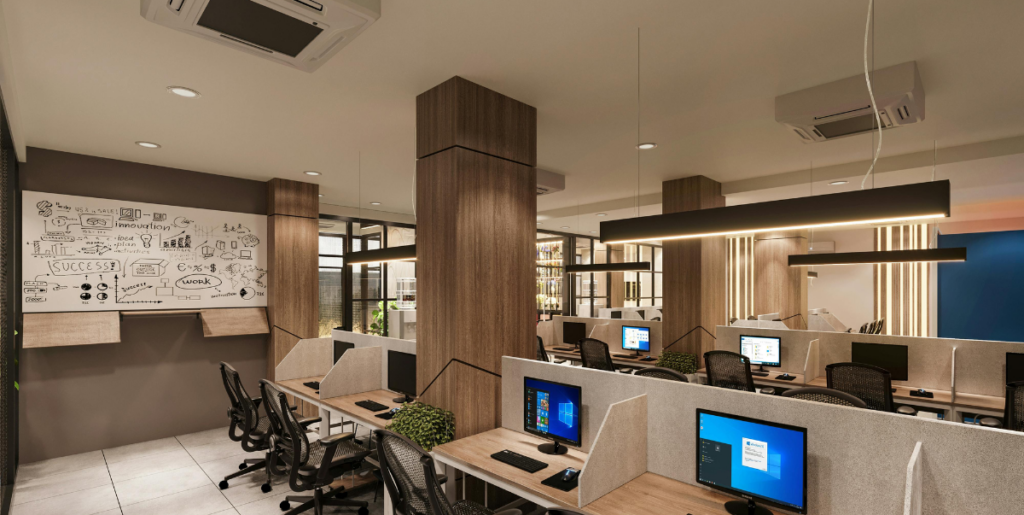
These environments are specifically designed to protect client data and ensure compliance with international security standards.

Typical secure BPO facilities include:
-
Restricted access workspaces
-
Biometric entry systems
-
No-phone production floors
-
On-site IT security monitoring
-
Data protection protocols
-
Compliance with standards like HIPAA or PCI-DSS
For industries such as:
-
Financial services
-
Debt settlement
-
Healthcare support
-
Insurance
-
E-commerce payments
Maintaining work inside a secure outsourcing facility significantly reduces data risk compared to fully remote environments.
For many CEOs and COOs, data security outweighs the convenience of WFH.

The Operational Benefits of Office-Based Teams
Beyond security, centralized BPO facilities provide operational advantages that help businesses maintain high service quality.
1. Stronger Team Collaboration
Office environments allow for:
-
Immediate supervision
-
Real-time coaching
-
Faster onboarding
-
Easier escalation management
For roles like customer service, collections, fraud investigation, or technical support, this direct support structure can improve performance and reduce errors.
2. More Consistent Productivity
While many remote teams perform well, productivity can vary depending on home environments.
Office-based teams benefit from:
-
Stable internet infrastructure
-
Professional workstations
-
Dedicated workspaces
-
Immediate IT support
This consistency is especially important for high-volume customer support operations.
3. Faster Training and Quality Assurance
BPO providers can conduct:
-
On-the-floor coaching
-
Immediate call monitoring
-
Real-time feedback
-
Rapid skill development
For businesses scaling quickly, these factors can make a significant difference in team performance.

A Practical Solution: Transportation Allowance Instead of Full WFH
Rather than shifting entirely to remote work, many outsourcing companies are exploring financial support solutions to address rising commuting costs.
One practical approach is providing transportation allowances or salary adjustments.
This allows companies to:
-
Maintain secure office operations
-
Support employees facing higher commuting expenses
-
Retain experienced staff
For example, instead of implementing full WFH, a BPO provider might introduce:
Transportation Support Options
-
Monthly transportation allowance
-
Fuel subsidy programs
-
Commuter stipends
-
Shuttle services for employees
-
Salary adjustments tied to fuel inflation
For many employees, these programs help offset rising transport costs while still allowing them to work in professional office environments.
Balancing Employee Needs and Business Security
The goal is not necessarily choosing between WFH or office work, but rather creating a model that balances:
-
Employee financial realities
-
Data security requirements
-
Operational performance
For many outsourcing clients—especially those in regulated industries—a secure facility-based model supported by transportation incentives can provide the best balance.
This approach ensures that companies continue to benefit from the structured operational environment of professional BPO facilities while also addressing employee concerns about rising costs.
What This Means for Businesses That Outsource
If your company relies on outsourcing providers in the Philippines, it’s important to understand how your partner is responding to these economic pressures.
Forward-thinking outsourcing providers are focusing on:
-
Strengthening secure facility operations
-
Supporting employees with transportation assistance
-
Maintaining strong productivity standards
-
Ensuring data protection for clients
Rather than moving entirely toward remote work, many providers are developing hybrid workforce strategies that prioritize both security and workforce sustainability.
For businesses handling sensitive customer data, this balanced approach often provides the most reliable long-term solution.
Final Thoughts
Rising oil prices are a real challenge for the Philippine workforce, particularly for employees who commute daily to BPO offices. While calls for expanded WFH arrangements are growing, many outsourcing clients still require the security, structure, and reliability of centralized operations.
By offering transportation allowances or salary adjustments, outsourcing companies can support their employees while maintaining the secure facilities that many global businesses depend on.
For CEOs and business owners, the key takeaway is this: the future of outsourcing is not simply remote or office-based—it’s about finding the right balance between workforce support and operational security.
If you’re looking for an outsourcing partner that prioritizes secure operations, reliable teams, and sustainable workforce solutions, SuccessLink Outsourcing can help.
Our managed outsourcing facilities are designed to provide high-level security, operational efficiency, and dedicated support teams while ensuring our professionals are supported through fair compensation and workplace programs.
Book a consultation today and discover how secure, scalable outsourcing can support your business growth.
